


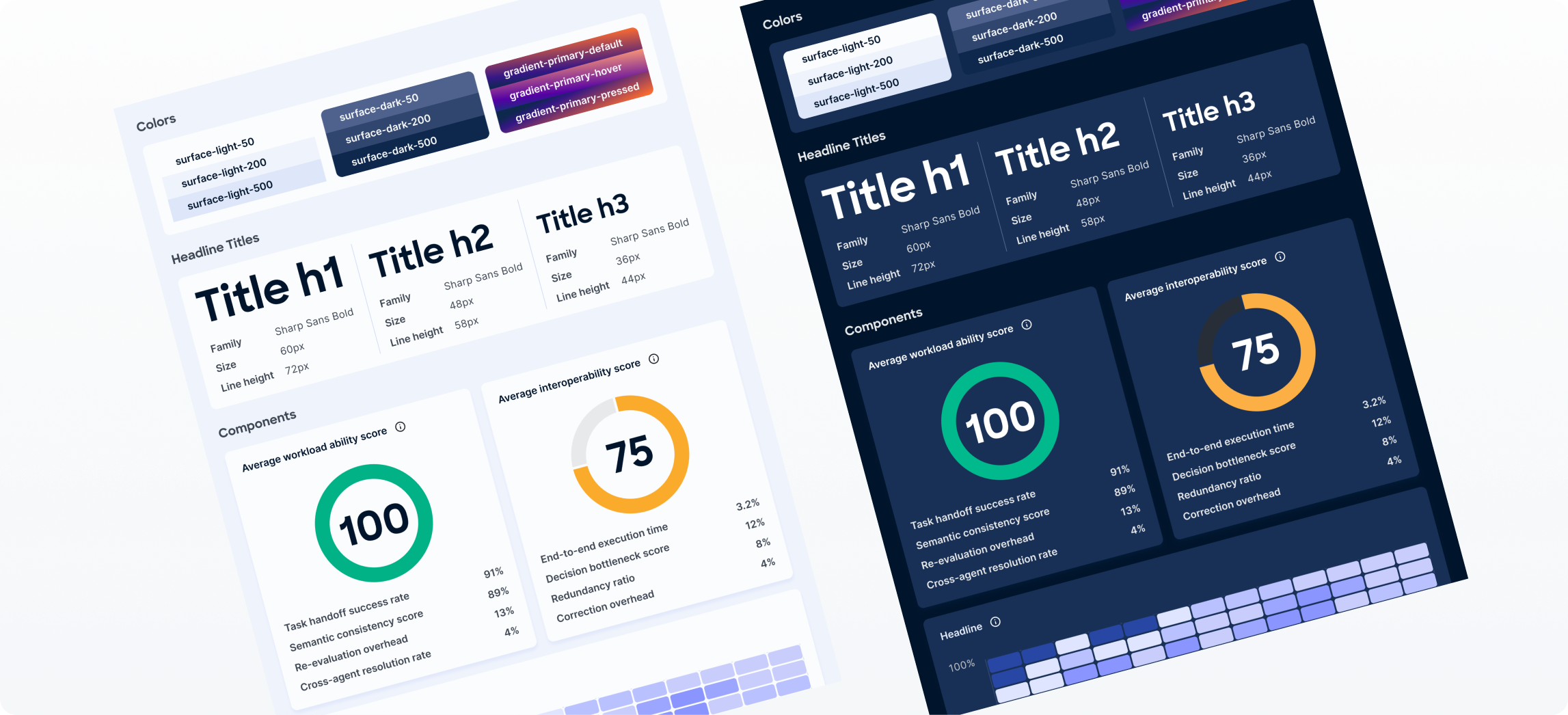
Scalable Design System for AI & Cybersecurity Products
Cisco Outshift — Systems & UX Design
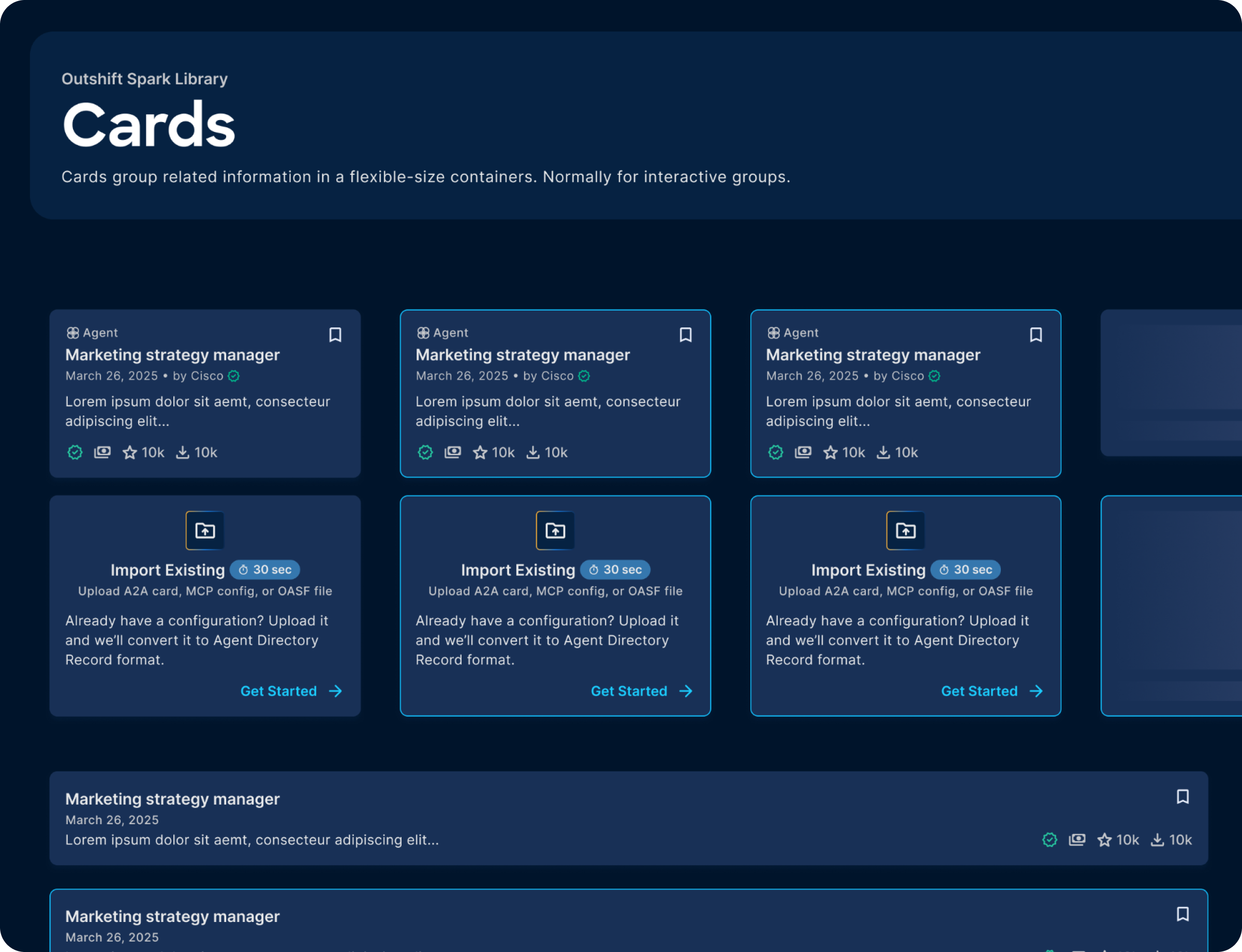
Designed and scaled a modular, open-source design system, Spark, to support multiple emerging products within Cisco’s innovation incubator (Outshift), enabling consistency, speed, and adaptability across ventures.
Problem
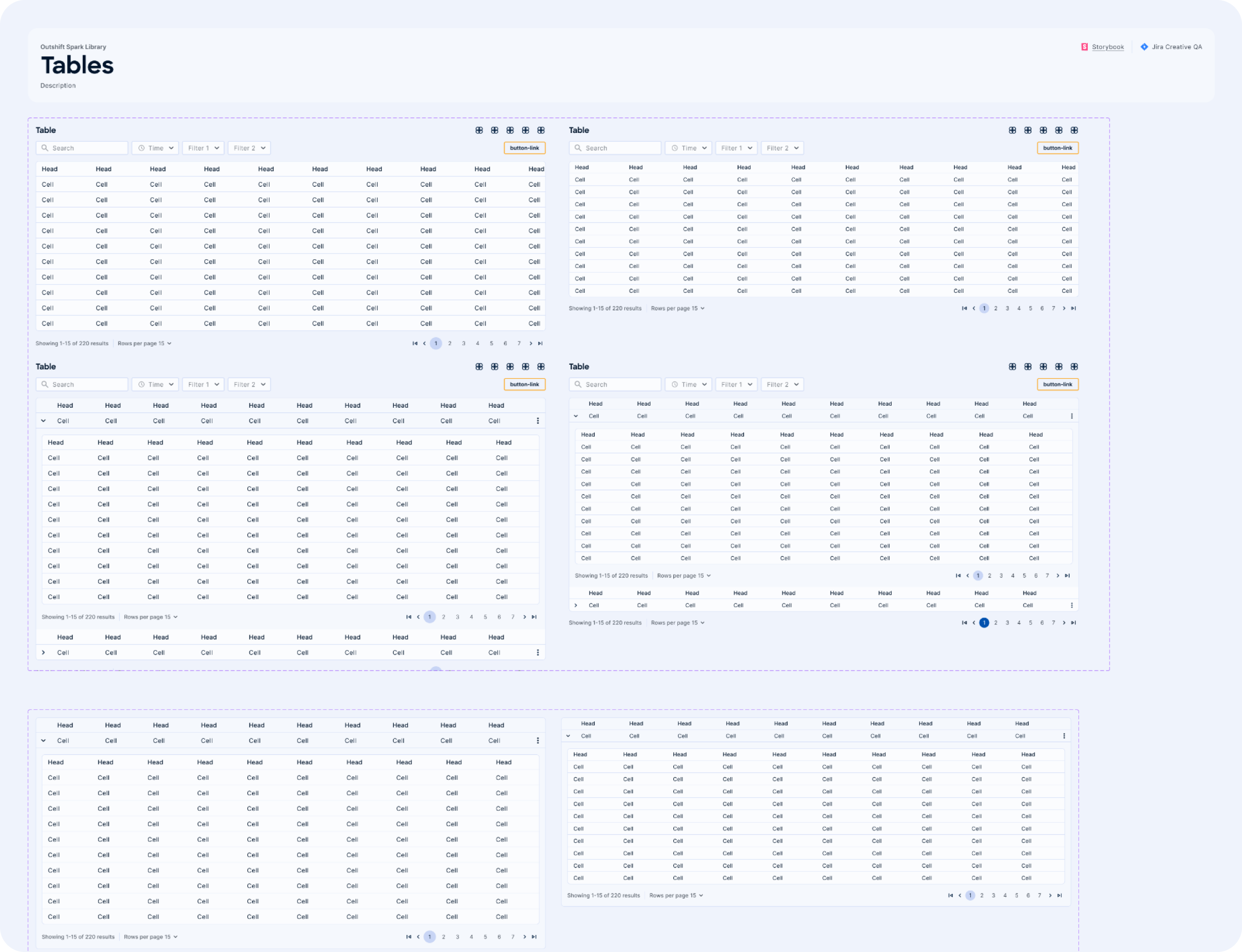
Outshift teams were building new products rapidly, often starting from fragmented or limited design foundations (e.g. MUI-based systems that did not support advanced use cases). This created challenges in:
- maintaining consistency across products
- supporting complex, technical interfaces (especially cybersecurity)
- scaling design across multiple teams and ventures
My Role
- Led the design and evolution of a shared design system across Outshift initiatives
- Refactored existing component structures and defined scalable foundations
- Worked closely with engineering to ensure implementation feasibility and alignment with front-end architecture
- Managed ongoing system maintenance and evolution through Jira, including ticketing, prioritization, and iteration tracking
Key Contributions
1. System Refactoring & Foundation
- Reworked an existing MUI-based system to support more complex product needs
- Adapted components for highly technical interfaces (cybersecurity, data-heavy environments)
- Established a flexible and scalable system architecture aligned with engineering constraints
2. Tokenization & Theming
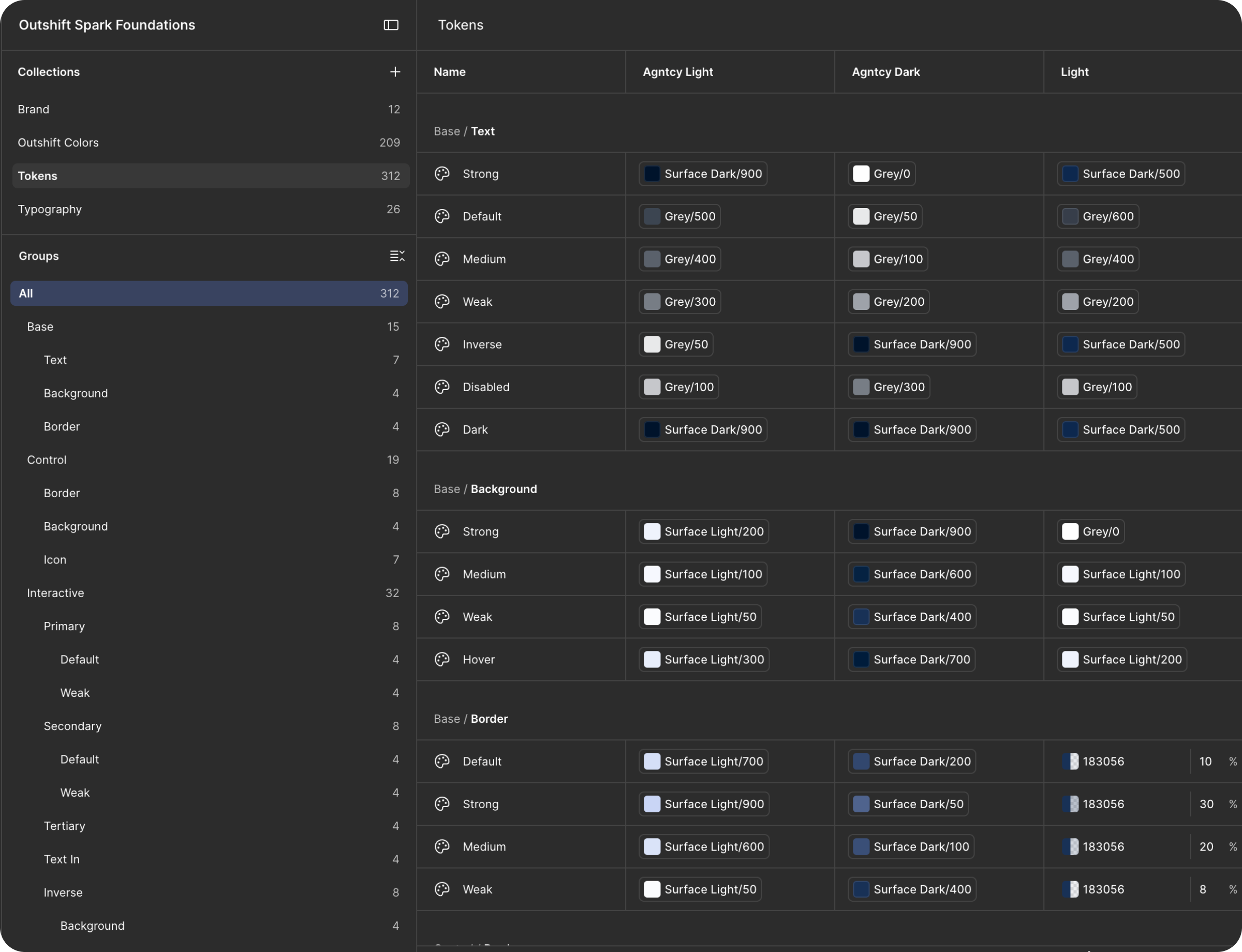
- Defined design tokens (color, spacing, typography, etc.)
- Built support for light / dark modes and brand-specific themes
- Enabled reuse across multiple products and contexts
3. Cross-Product Scalability
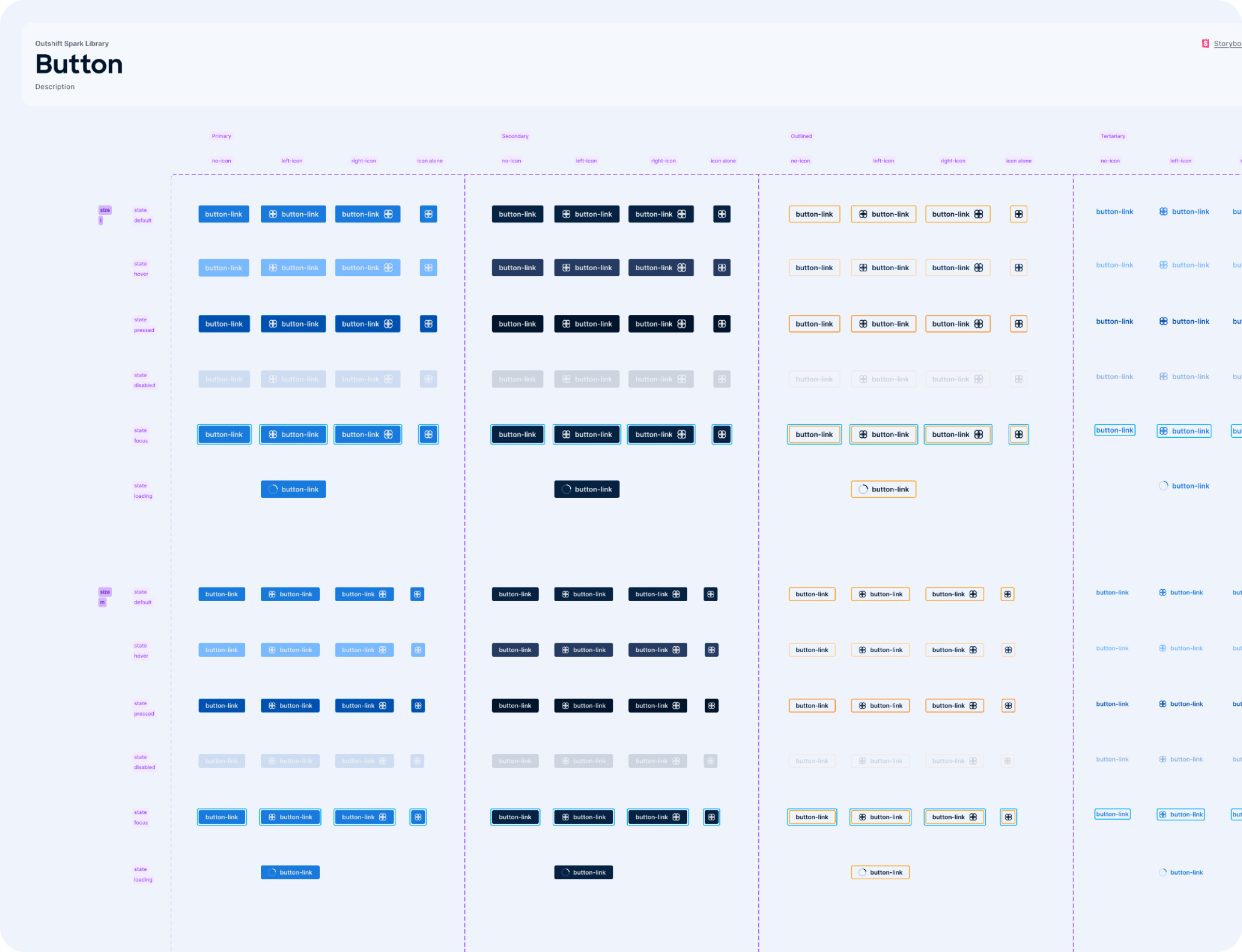
- Designed system to function across multiple ventures within Outshift
- Enabled teams to adopt a shared visual and interaction language
- Reduced redundancy and accelerated product development
4. Engineering Collaboration & Implementation
- Partnered continuously with front-end engineers to ensure design feasibility and implementation
- Aligned design system components with front-end architecture and technical requirements
- Maintained active communication loops to iterate quickly and resolve constraints
5. System Governance & Maintenance
- Managed design system updates and improvements through Jira workflows
- Wrote and tracked tickets to ensure consistent evolution and adoption
- Acted as a point of continuity across projects, maintaining system integrity over time
Impact
- Successfully implemented across multiple internal products (including AI-focused platforms)
- Became a shared, open design resource within Outshift
- Improved consistency, efficiency, and collaboration across teams
- Initiated exploration into evolving the system toward more adaptive / intelligent (agentic) design patterns
More projects
AI Agent Marketplace & Directory Platform
Platform enabling organizations to publish, discover, and integrate AI agents across distributed environments, laying groundwork for an emerging ‘Internet of Agents.’
Agent Based Change Management Platform
AI-assisted workflow platform integrated with ServiceNow to guide engineers through complex change management processes using coordinated agents.